
Exploring the Drivers of Tour Guide Shortages
We're investigating the factors contributing to Tour Guide shortages across Australia and identifying practical solutions to strengthen the workforce pipeline for one of the tourism sector's most important frontline occupations.
Project Overview
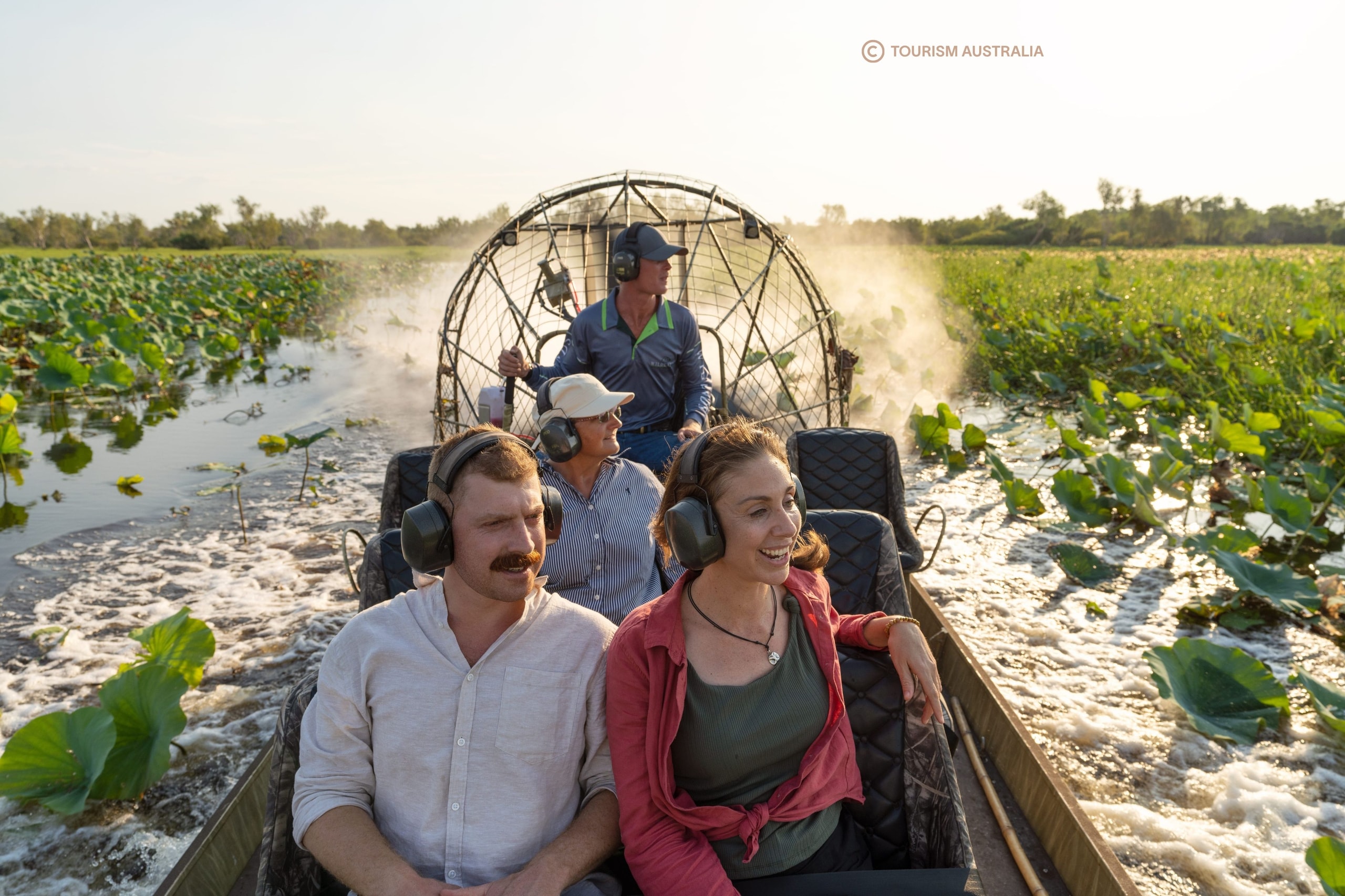
Tour Guides play a vital role in delivering memorable visitor experiences across Australia. Their work spans a diverse range of settings, from zoos, museums and cultural attractions to guided day tours, adventure experiences and multi-day tours in regional and remote destinations.
SaCSA will undertake detailed research to better understand the factors contributing to workforce shortages and identify opportunities to strengthen attraction, training, retention and workforce development across the occupation.
The project will combine labour market analysis, workforce data and industry consultation to develop a comprehensive understanding of the challenges facing employers and workers, particularly in regional and remote Australia where workforce pressures are often most acute.
Why this project matters
SaCSA’s Tourism, Travel and Hospitality Workforce Plan Update 2025 identified Tour Guides as one of the key occupations experiencing labour shortages across Australia. According to Jobs and Skills Australia’s Occupation Shortage List, Tour Guides remain in shortage at both national and state levels, highlighting ongoing workforce challenges for the sector.
Industry stakeholders have reported increasing difficulties attracting and retaining workers, particularly during peak tourism periods. In some cases, businesses have been unable to meet visitor demand because they do not have enough qualified staff available to deliver tours and experiences.
Tourism is a significant contributor to Australia’s economy and visitor experience. While most tourism businesses are located in major cities and established tourism hubs, regional and remote destinations continue to play an increasingly important role in Australia’s visitor economy.
Stakeholder feedback suggests that workforce shortages are particularly challenging for businesses operating in regional and remote locations, where attracting and retaining workers can be more difficult. These shortages can limit business growth, reduce the availability of tourism experiences and place pressure on existing workers.
Workforce shortages also have broader implications for local communities and visitor economies. When businesses are unable to meet demand, destinations may miss opportunities to attract visitors, support local employment and strengthen regional economic activity.
Understanding the causes of these shortages is essential to developing targeted workforce solutions that support sustainable growth across Australia’s tourism sector.